The Bonfire
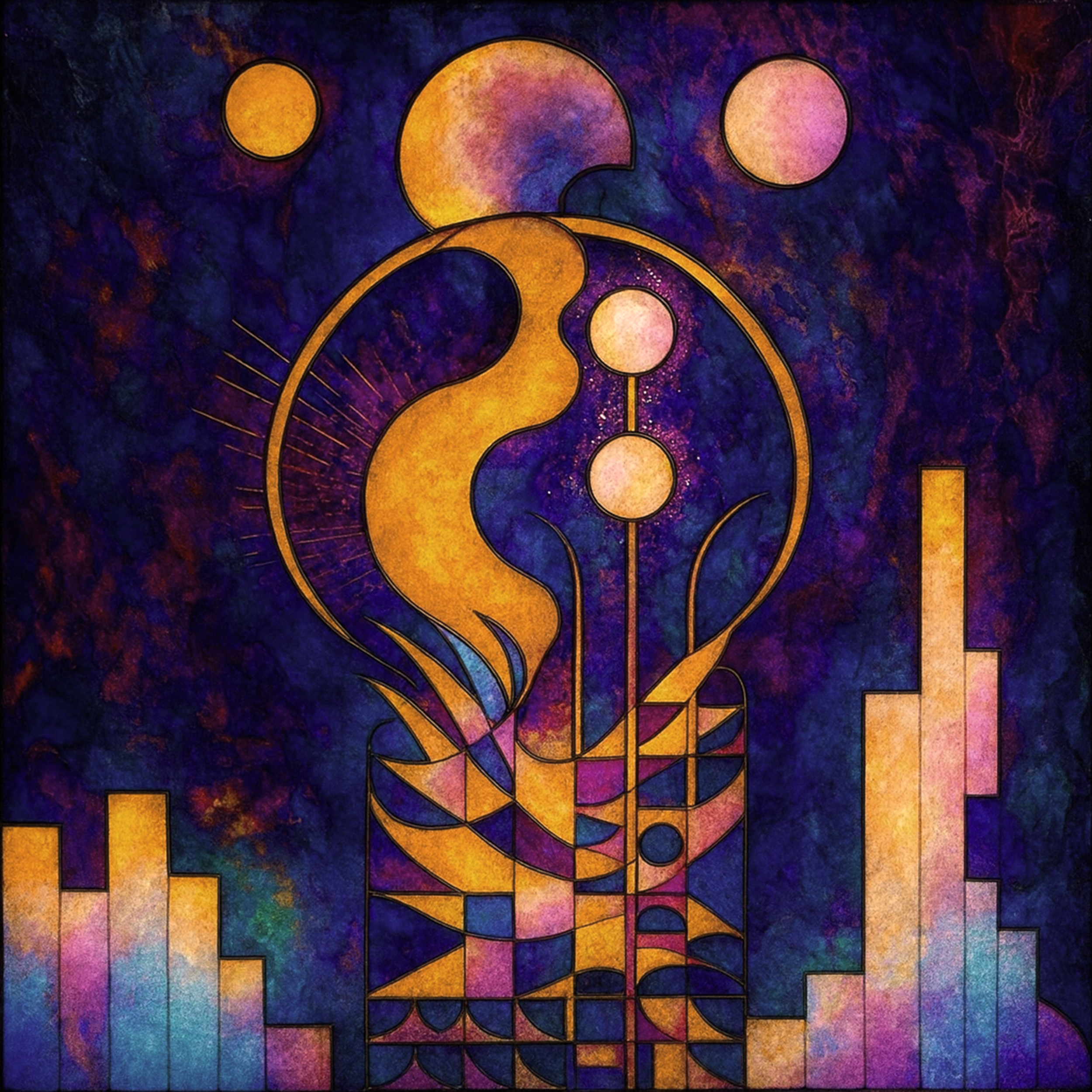
Primary Seed: "Radiance” captures the essence of the Bonfire archetype as a shared source of light and warmth that emerges through collective presence. A bonfire is not simply a flame, but a center—an energetic focal point that gathers attention, movement, and intention. Its power lies in dispersion: light spreads outward, warmth travels, and presence becomes mutual. Radiance here is the quality of visibility and vitality that arises when individuals orient toward a common source, creating connection through proximity rather than control.
For Kayle
Description of the Bonfire
A bonfire carries a distinct emotional atmosphere. It invites closeness while demanding respect. To sit near it is to feel both comforted and alert—drawn in by warmth, yet aware of its intensity. The experience is immersive: heat on the skin, light shifting across faces, sound rising and falling with the flames.
There is often a sense of occasion around a bonfire. Time slows, conversation deepens, and ordinary boundaries soften. Memories form easily in its presence, shaped by shared attention and heightened sensation. At the same time, its volatility introduces tension. A bonfire asks for care. It reminds those gathered that power, once kindled, must be tended or it will move on its own terms.
Symbolic Attributes of the Bonfire
Gathering Point: Represents convergence—where individuals orient toward a shared center of attention or purpose.
Transformative Threshold: Marks moments when something is actively changing rather than remaining static.
Volatile Power: Embodies energy that can nurture or overwhelm depending on how it is held.
Communal Presence: Symbolizes meaning that emerges through shared experience rather than isolation.
Creative Intensity: Reflects the force that fuels expression, risk, and generative momentum.
Legacy Trace: Suggests what remains after intensity passes—the imprint left behind rather than the flame itself.
Impermanence: Affirms that moments of peak brightness are temporary and cannot be sustained indefinitely.
Aesthetic Values of the Bonfire
Significance of Scale:
The size of the bonfire carries symbolic weight. A large, roaring fire suggests overwhelming power and collective intensity, while a smaller, contained fire implies intimacy, focus, or inward reflection.Interplay of Light and Darkness:
The flickering flames carve visibility out of shadow, creating contrast that emphasizes presence, orientation, and attention.Flame Colors:
Variations in flame color—from deep reds and oranges to sharp yellows and whites—signal shifts in heat, emotion, and volatility, evoking responses ranging from comfort to unease.Dynamic Nature:
The constant movement of flame reflects instability, excitement, and the unpredictable rhythm of lived energy.
Dream Indicators of the Bonfire
Sense of Belonging: Indicates a desire for connection, inclusion, or shared emotional space.
Emotional Activation: Reflects heightened feeling—passion, motivation, or intensity seeking expression.
Transition in Progress: Suggests the dreamer is actively moving through change rather than contemplating it.
Overstimulation or Overwhelm: Points to difficulty containing emotional or social intensity.
Ritual Awareness: Signals sensitivity to milestones, endings, or beginnings that carry personal significance.
Acceptance of Impermanence: Reveals an awareness that a meaningful phase may be temporary, yet valuable.
Cultural References Aligned with The Bonfire
Year: ~8th Century BCE
Title: Prometheus and the Gift of Fire
Source: Greek Mythology
Quote: “He brought fire to mortals, giving them the arts and knowledge.”
Explanation: Prometheus represents the archetypal spark of transformation, much like the Bonfire’s symbolic role in igniting inner change. Fire becomes a gift of creation and enlightenment but carries consequences, as the knowledge it brings demands responsibility.
Year: ~500 BCE
Title: Heraclitus and the Ever-Living Fire
Source: Greek Philosophy
Quote: “This world, which is the same for all, was made neither by gods nor men, but it always was and will be an ever-living fire.”
Explanation: Heraclitus’s notion of the eternal fire reflects the Bonfire’s symbolic representation of constant change and flux. The fire burns perpetually, representing the continuous process of personal transformation.
Year: 1953 CE
Title: Fahrenheit 451
Author: Ray Bradbury
Quote: “It was a pleasure to burn.”
Explanation: Bradbury’s novel explores the dual nature of fire—destruction and rebirth. Fire becomes a metaphor for both the oppressive force of censorship and the spark of enlightenment that leads to personal awakening, embodying the paradox of the Jungian Bonfire.
