The Cave
Primary Seed: "Singularity" encapsulates the essence of the Castle archetype as the creation of defined interior space. A castle is not merely a barrier against the outside, but a deliberate shaping of what is held within. Enclosure establishes limits that preserve continuity, allowing values, intentions, and ambitions to remain intact over time. The Castle represents the act of claiming space—structuring an inner domain where coherence, identity, and direction can be maintained.
At its core, the Castle is about containment with purpose. It defines what is protected, what is governed, and what is allowed to endure.
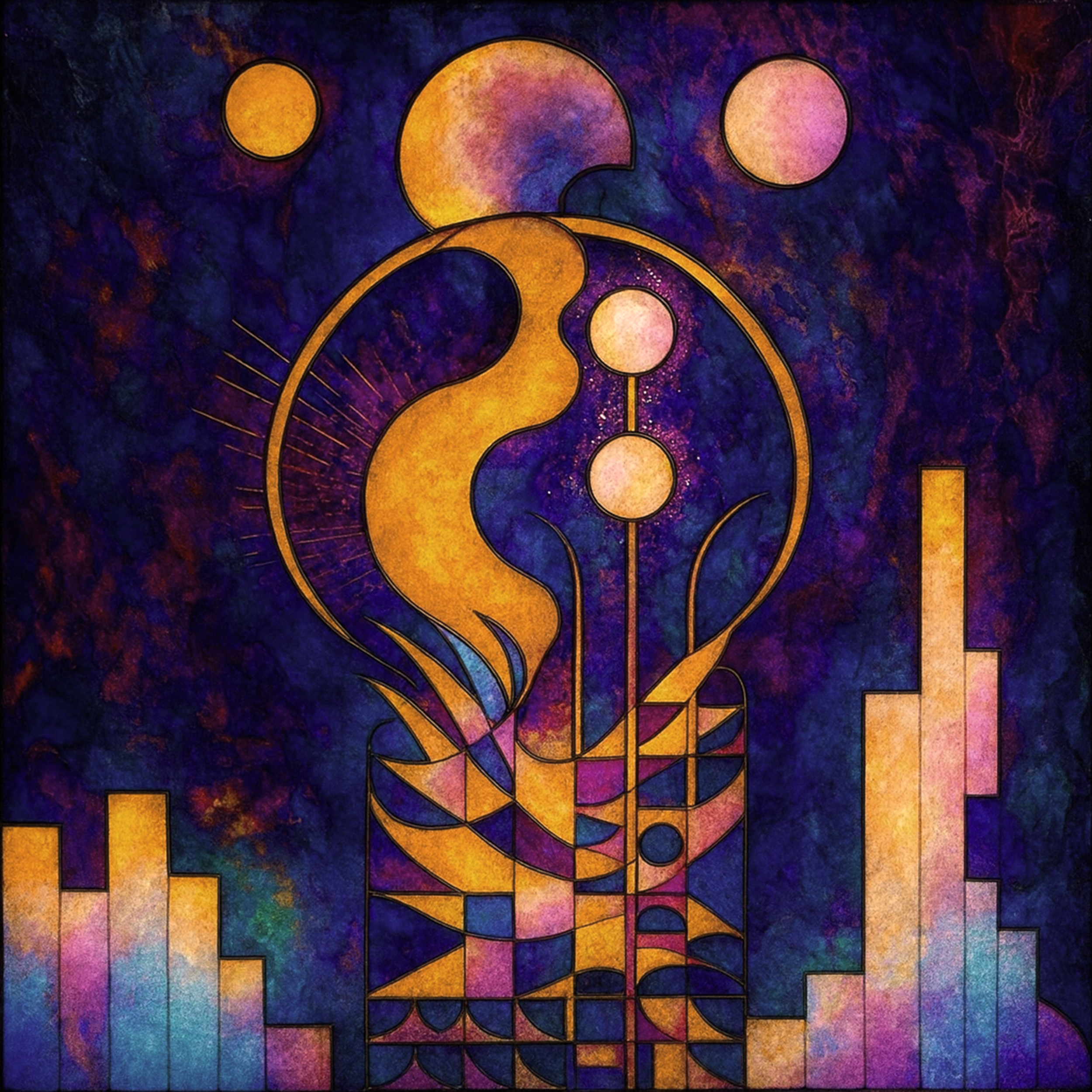
For Kayle
Description of the Cave
The emotional atmosphere of a castle is one of solidity and stillness. Inside its walls, there is relief from external pressure—a sense of standing on firm ground. Time feels slower, measured. Attention turns inward, toward what has been accumulated, refined, or defended.
At the same time, castles carry weight. Their thickness can feel reassuring or heavy, depending on what is being held. Protection may drift into withdrawal. Safety can harden into distance. The castle invites reflection on how much separation is necessary, and when enclosure begins to close in on itself.
Emotionally, the castle is where confidence and caution coexist.
Symbolic Attributes of the Cave
Containment: Represents the act of holding space for what is valued, chosen, or cultivated.
Authority: Symbolizes governance over one’s inner or outer domain—where decisions originate and responsibility resides.
Defense: Reflects the impulse to protect against intrusion, loss, or instability.
Accumulation: Marks what has been built over time—resources, knowledge, or identity.
Boundary Maintenance: Represents the ongoing work of preserving limits rather than erecting them once.
Inaccessibility: Acknowledges the cost of enclosure—distance, separation, or emotional reserve.
Aesthetic Values of the Cave
Grandeur and Strength:
The scale and mass of castle architecture emphasize durability and command. Thick walls, elevated towers, and fortified gates convey permanence and resilience.Formidable Defenses:
Battlements, moats, and narrow entryways visually reinforce protection while also suggesting exclusion and control.Sanctum of Reflection:
Courtyards and inner chambers create protected interior spaces, emphasizing withdrawal, contemplation, and internal order.
Dream Indicators of the Cave
Desire for Security: Indicates a need for stability, protection, or emotional safety.
Emotional Withdrawal: Reflects distance from others or guardedness around vulnerability.
Assertion of Control: Signals an urge to consolidate authority or reclaim personal boundaries.
Fear of Intrusion: Points to anxiety about being overexposed, overwhelmed, or undermined.
Identity Fortification: Suggests the psyche reinforcing a sense of self against perceived threats.
Cultural References Aligned with The Cave
Year: ~8th century BCE
Title: The Odyssey
Source: Greek Mythology
Quote: "Then, from the gaping cave, the Cyclops bellowed."
Explanation: The cave of the Cyclops represents isolation and the confrontation with primal fears. It symbolizes the hero's journey into the unknown, reflecting the descent into the unconscious where hidden dangers must be faced.
Year: 1994
Title: The History of the Idea of the Cave
Author: John Sallis
Quote: "The cave is not simply a place of ignorance but also a place of gestation and potential rebirth."
Explanation: This interpretation aligns with Jung's view of the unconscious as not just a repository of repressed material, but also a source of creativity and renewal.
Year: 1954
Title: The Lord of the Rings
Author: J.R.R. Tolkien
Quote: "In the deep places of the world... Older and fouler things than Orcs."
Explanation: The Mines of Moria represent a journey into the collective unconscious, where characters confront ancient fears and hidden aspects of themselves, mirroring Jung's concept of the cave as a symbol of the psyche's depths.
