The Destroyer
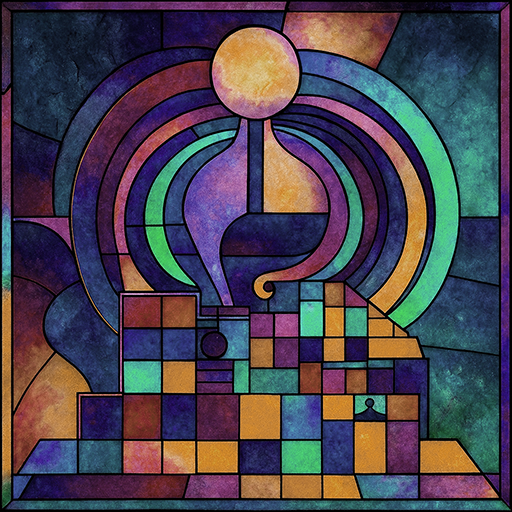
Primary Seed: "Void" aligns with the Destroyer archetype, representing the concept of emptiness, dissolution, and the stripping away of form to reveal a state of pure potential. In this artwork, the central figure emerging from layers of curved lines and geometric fragments embodies the Destroyer’s role in dismantling the old to create space for the new, embracing the void as a place of transformation.
The void is illustrated through fragmented shapes and empty spaces that suggest absence and deconstruction. The blocks in the lower half of the artwork resemble a broken structure or the remnants of a former order, symbolizing the destruction of established patterns, beliefs, or identities. The stark black and white contrasts amplify the theme of annihilation and rebirth, emphasizing the presence of emptiness where form once existed.
The central figure, devoid of distinct features, symbolizes the emptiness within the self that the Destroyer archetype seeks to confront. The concentric circles surrounding the figure evoke a ripple effect, as if the impact of destruction radiates outward, affecting all layers of the psyche or environment. In Jungian terms, the void reflects the destruction of the ego or outdated aspects of the self, creating space for regeneration and evolution.
The small lone pawn on the chessboard at the bottom right represents what remains after the void has cleared everything else—something small yet essential, a new beginning or foundational piece from which new growth can arise. The abstract curves and open spaces around the figure suggest both dissolution and the potential for transformation, as the Destroyer archetype uses the void not as an endpoint but as a powerful state of renewal.
Through these elements, The Destroyer captures the essence of void as a necessary part of the cycle of life, death, and rebirth. This artwork illustrates the archetype’s ability to clear away stagnation, allowing for the emergence of something deeper and more meaningful. The void here is both a space of loss and a fertile ground for new possibilities.
For Kayle
Description of The Destroyer
The Destroyer archetype represents the forces of change through destruction, symbolizing the necessary dismantling of old structures to make way for new growth. It embodies the dual nature of destruction: eliminating what no longer serves while clearing the path for new beginnings.
The Destroyer symbolizes the transformative power of destruction, representing the force that breaks down outdated systems, ideas, or patterns to allow for renewal and change. This archetype challenges the status quo, pushing for radical transformation and empowering us to confront the parts of ourselves that hold us back.
However, The Destroyer can also bring chaos and loss, as the act of dismantling can lead to feelings of fear, grief, or confusion. The destruction it brings can be both painful and necessary, clearing away illusions to reveal more profound truths. The Destroyer may also experience isolation or guilt, symbolizing the emotional burden of taking apart what once was, even in pursuing growth.
Characteristics of The Destroyer
Courage: The ability to confront difficult truths and take bold action, even if it means facing discomfort or resistance.
Liberation: The act of breaking free from constraints, symbolizing the release from limiting beliefs or situations.
Transformation: The power to initiate deep and meaningful change, clearing away what is no longer needed to make space for new growth.
Challenges Faced by The Destroyer
Chaos: The state of upheaval that accompanies destruction, leading to uncertainty and unpredictability.
Isolation: The experience of being distanced from others due to the disruptive nature of one’s actions or the consequences of change.
Loss: The feeling of grief or emptiness that can follow the dismantling of familiar structures or beliefs.
Symbolic Imagery Associated with The Destroyer
Nature’s Fury: The natural elements associated with The Destroyer—such as storms, fires, or volcanic activity—symbolize the untamed and unstoppable power of change, reflecting both danger and potential.
Raw Power: The visual intensity of The Destroyer’s imagery highlights the primal force of destruction, emphasizing the dynamic energy that propels transformation.
Contrast and Ruin:The juxtaposition of decay and potential renewal in The Destroyer’s work represents the balance between destruction and creation, highlighting the beauty in dismantling to reveal deeper layers.
Dreaming of the Destroyer may represent:
Facing Fear: The Destroyer in a dream may represent the confrontation with fear or uncertainty, suggesting the necessity of dismantling illusions to reveal the truth.
Breaking Free: Dreaming of The Destroyer often symbolizes the need to break free from limiting situations or outdated beliefs, urging the dreamer to embrace change.
Chaos and Clarity: A dream of The Destroyer might reflect the experience of chaos leading to eventual clarity, indicating that sometimes destruction is needed to gain a clearer perspective.
Cultural References Aligned with The Destroyer
Year: Ancient Vedas (~1500 BCE)
Title: Hindu Mythology
Source: Shiva
Quote: “I am become Death, the destroyer of worlds.”
Explanation: Shiva embodies the Destroyer archetype as the god of destruction and transformation. His role in ending cycles to allow for new creation reflects the archetype's association with necessary endings and the potential for renewal through destruction.
Year: ~6th century BCE
Title: The Doctrine of Anicca
Source: Buddhist Philosophy
Quote: “All conditioned things are impermanent—when one sees this with wisdom, one turns away from suffering.”
Explanation: In Buddhism, impermanence reflects the Destroyer archetype’s positive aspect. By accepting the transience of all things, individuals learn to let go of attachments, leading to liberation and renewal.
Year: Norse Mythology
Title: The Prose Edda
Source: Norse Mythology
Quote: “The sun will turn black, earth will sink into the sea.”
Explanation: The myth of Ragnarök describes the destruction of the world, but it is followed by renewal and rebirth. This myth reflects the cyclical nature of the Destroyer archetype.
Year: 2006
Title: The Road
Author: Cormac McCarthy
Quote: “There is no God and we are his prophets.”
Explanation: In this post-apocalyptic novel, destruction is pervasive, yet the father and son carry the "fire" of hope. The novel illustrates how destruction can create space for new beginnings, even amid despair.
