The Gate
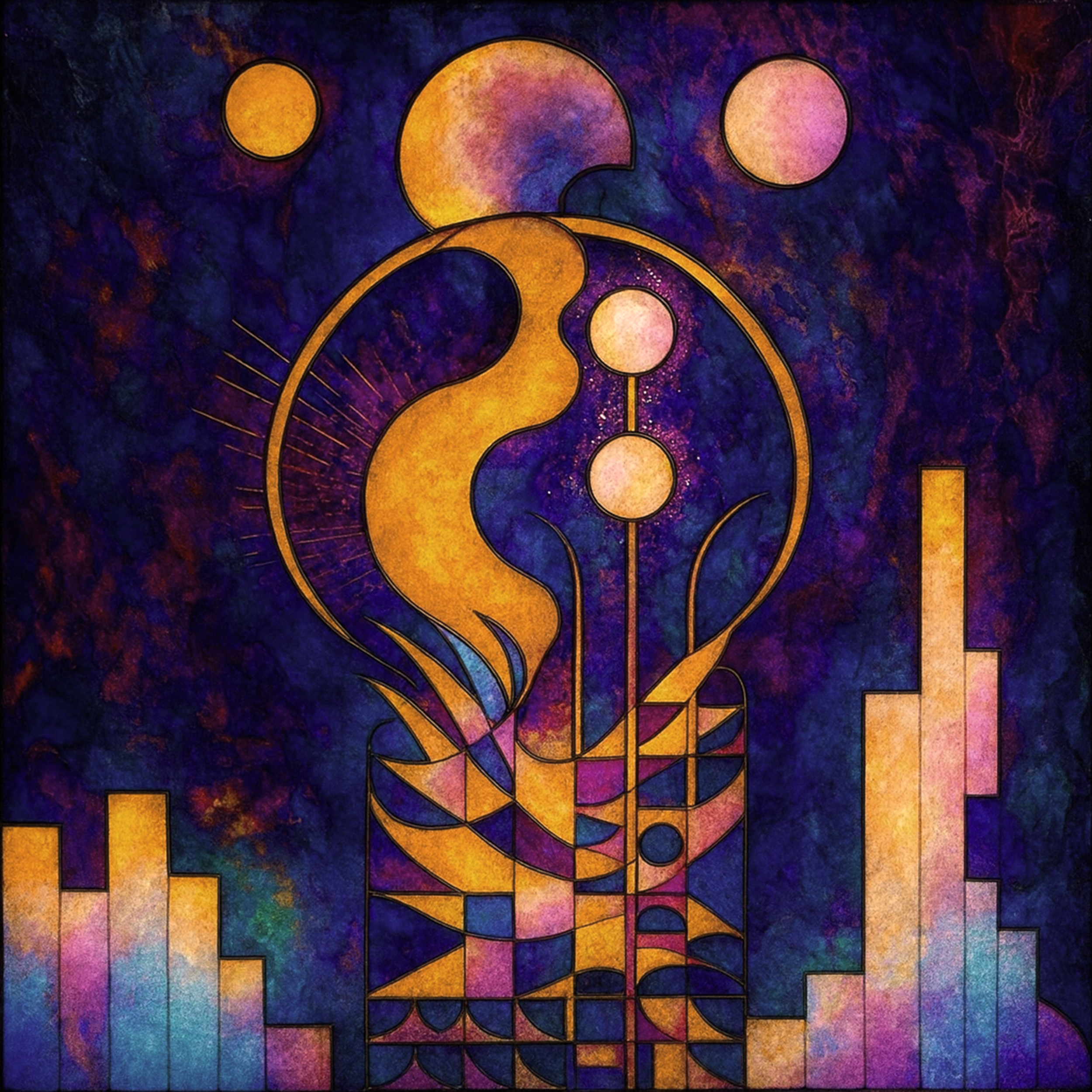
Primary Seed: "Threshold" encapsulates the essence of the Gate archetype as a point of passage between states. In philosophy and metaphysics, a threshold is a liminal boundary where one condition ends and another begins. Symbolically, the Gate represents the moment when movement becomes necessary—where remaining and crossing are no longer equivalent.
The Gate is defined by separation rather than destination. It marks the instant where potential becomes directional and choice alters context. What lies beyond is unknown, but the boundary itself demands recognition and response.
For Kayle
Description of the Gate
The emotional atmosphere of a gate is charged and anticipatory. Time feels compressed, as if attention gathers at a single point. There is often a mix of hesitation and pull—an awareness that something is about to change, even if its shape is unclear.
Standing before a gate can feel sobering. Familiar ground is still present behind you, while uncertainty waits ahead. Crossing carries weight; it asks for commitment rather than certainty. Whether opened willingly or encountered unexpectedly, the gate introduces a shift that cannot be undone by remaining neutral.
Emotionally, the gate is where readiness is tested.
Symbolic Attributes of the Gate
Liminality: Represents existence between states, neither fully here nor there.
Passage: Marks movement from one condition into another.
Boundary: Indicates a clear division that must be acknowledged.
Initiation: Signals entry into a new phase requiring adjustment.
Constraint: Reflects limitation imposed by structure or timing.
Exposure: Represents vulnerability inherent in transition.
Aesthetic Values of the Gate
Material and Structure:
Weight, texture, and construction convey the seriousness of passage and resistance.Opening and Closing Mechanism:
Movement or stillness of the gate reflects accessibility, timing, and readiness.Symbolic Design:
Ornamentation or austerity signals the significance and scale of transition.
Dream Indicators of the Gate
Readiness for Change: Indicates preparation for transition without full clarity.
Hesitation: Reflects uncertainty about commitment or consequence.
Boundary Awareness: Signals recognition of limits or necessary separation.
Initiation Anxiety: Points to apprehension surrounding a new role or phase.
Point of No Return: Suggests awareness that a decision will alter context permanently.
Cultural References Aligned with The Gate
Year: Ancient Mesopotamia (~6th century BCE)
Title: The Ishtar Gate
Source: Babylonian Mythology
Quote: "Ishtar descended to the underworld, passing through seven gates, surrendering a piece of her adornments at each."
Explanation: The Ishtar Gate was a grand entrance to the city of Babylon, dedicated to the goddess Ishtar. Her mythological descent through the seven gates of the underworld symbolizes the shedding of ego and material attachments. In Jungian terms, each gate represents a stage of inner transformation, stripping away layers of the persona to reach the true self. The gate thus serves as a powerful symbol of rebirth and the journey toward self-realization.
Year: 1320
Title: The Divine Comedy
Source: Dante Alighieri
Quote: "Through me you enter into the city of woes... Abandon all hope, you who enter here."
Explanation: The gate to Hell in Dante's Inferno marks the beginning of a profound spiritual and psychological journey. The inscription on the gate serves as a warning and a point of no return. In Jungian terms, the gate symbolizes the entry into the unconscious mind, where one must confront personal and collective shadows. Passing through it represents the initiation into deeper self-exploration, necessary for individuation and ultimate enlightenment.
