The Hearth
Primary Seed: "Convergence" encapsulates the essence of the Hearth archetype as the movement of separate elements toward a shared center. In systems theory, convergence describes alignment through proximity rather than uniformity. Symbolically, the Hearth functions as a focal point where energies, attention, and presence gather without losing their individual origins.
The Hearth is defined by centering rather than containment. It does not direct movement outward or inward, but draws disparate elements into relation. What forms here is not sameness, but coherence.
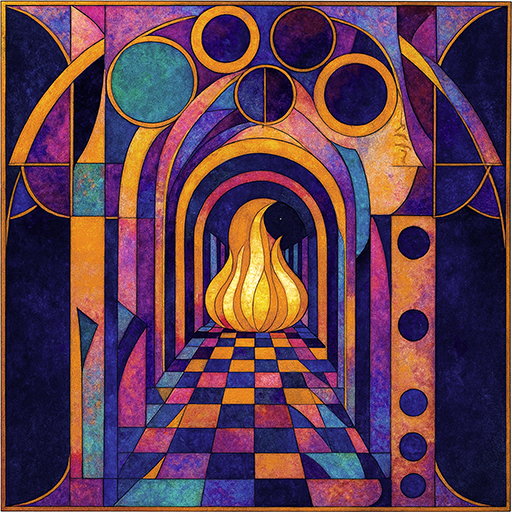
For Kayle
Description of the Hearth
The emotional atmosphere of the hearth is steady and enclosing. Warmth radiates outward, softening edges and slowing time. Voices lower, attention settles, and a sense of arrival replaces urgency. The hearth does not demand action; it invites presence.
Being near a hearth can feel grounding and restorative. It offers relief from exposure without imposing isolation. Experiences are shared, absorbed, and tempered by proximity to others. Comfort here is not passive—it is sustained through return and maintenance.
Emotionally, the hearth is where rest and relation coexist.
Symbolic Attributes of the Hearth
Centrality: Represents a shared point of orientation and return.
Gathering: Marks the coming together of individuals, ideas, or energies.
Sustenance: Reflects ongoing support that maintains continuity.
Stability: Indicates consistency without rigidity.
Overcontainment: Signals comfort that limits movement or change.
Dependence: Represents reliance that reduces autonomy.
Aesthetic Values of the Hearth
Central Location: The hearth’s position at the heart of the home symbolizes its importance as the focal point for warmth and gathering.
Fire and Light: Represents the dance of flames as a symbol of life, inspiration, and introspection.
Design and Materials: The hearth’s construction symbolizes strength and permanence, reflecting the values of the home or community.
Dream Indicators of the Hearth
Desire for Belonging: Indicates a need for connection or shared presence.
Emotional Grounding: Reflects seeking steadiness after disruption.
Relational Maintenance: Suggests attention to bonds that require care.
Comfort Seeking: Points to a need for reassurance or familiarity.
Fear of Stagnation: Signals concern about remaining too settled or enclosed.
Cultural References Aligned with The Hearth
Year: ~8th century BCE
Title: Hestia, Goddess of the Hearth
Source: Greek Mythology
Quote: "Hestia receiving the first offering at every sacrifice in the household with families pouring sweet wine in her name and dedicating the richest portion of food to her."
Explanation: Hestia is the virgin goddess of the hearth, home, and domestic life. She symbolizes the warmth, stability, and unity of the family and community. In every household and temple, a sacred fire dedicated to Hestia was kept burning. In Jungian psychology, the hearth represents the center of the psyche—a place of inner warmth, safety, and grounding. It embodies the nurturing aspects of the self that provide comfort and a sense of belonging, essential for psychological well-being and individuation.
Year: ~7th century BCE
Title: Vesta, Goddess of the Hearth
Source: Roman Mythology
Quote: "Her temple is a place where the flame never goes out, a symbol of eternal life and continuity."
Explanation: Vesta is the Roman goddess of the hearth, home, and family. The eternal flame in her temple, tended by the Vestal Virgins, symbolizes the enduring spirit of Rome and the sanctity of the household. In Jungian terms, the hearth represents the sustaining inner fire of the unconscious that fuels personal and collective life. Tending the hearth signifies maintaining one's inner light and spiritual health, crucial for psychological balance and the integration of the self.
Year: 1915
Title: The Rainbow
Source: D. H. Lawrence
Quote: "At the hearth, she found the center of her life, the warmth that held her being together."
Explanation: In The Rainbow, the hearth serves as a symbol of familial bonds, warmth, and the continuity of life through generations. Characters often gather around the hearth, highlighting its role as the emotional and spiritual center of the home. In Jungian psychology, the hearth represents the inner core of the psyche where one finds comfort and grounding. The novel explores the characters' relationships with their inner selves and each other, emphasizing the importance of nurturing one's inner hearth for personal growth and fulfillment.
Year: 1945
Title: The Hearth and the Salamander
Source: Ray Bradbury
Quote: "It was a pleasure to burn... but fire is bright and warm like Vesta’s hearth."
Explanation: This quote reflects on fire as both a destructive and nurturing force, paralleling Vesta’s dual role as both protector and symbol of transformation within domestic spaces.
