The Ruler
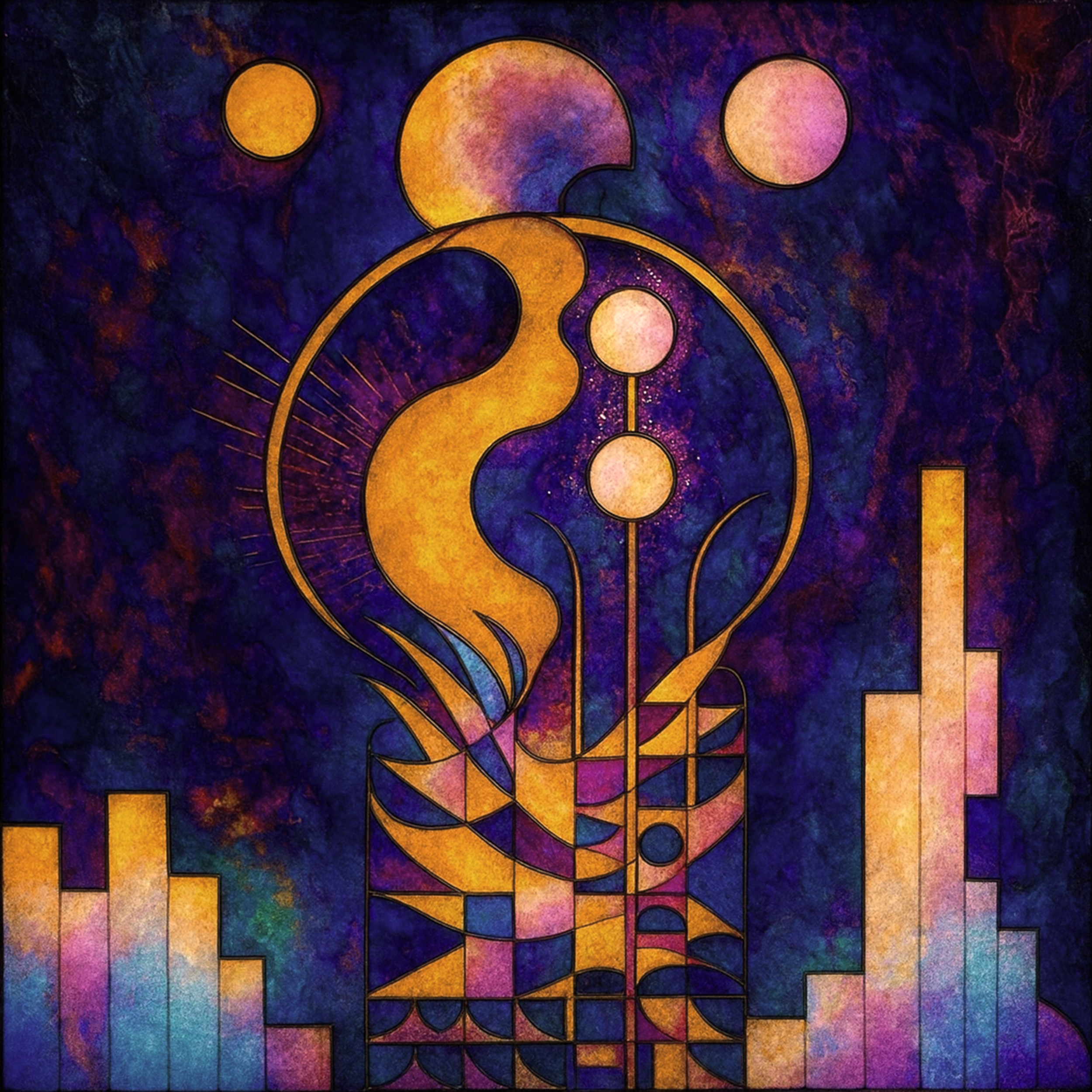
Primary Seed: "Sovereignty" captures the essence of the Ruler archetype, symbolizing the power to govern with authority, structure, and order. The symmetrical layout of the checkerboard path and the encompassing arches suggest a world governed by clear rules and a sense of control. The figure at the center embodies leadership and responsibility, standing as a focal point of power. The Ruler archetype emphasizes the need for structure, stability, and decisive leadership to maintain harmony and balance.
In The Ruler, sovereignty is depicted through the symmetrical and geometric design framing the figure, symbolizing the structured environment the Ruler cultivates. The central position of the figure within a circular frame reinforces its authority and centrality, as if standing at the heart of an orderly realm. This sense of balance and structure reflects the Ruler’s desire to create a harmonious and well-governed world, where each element has its place.
The chalice held at the figure’s core symbolizes wisdom and sustenance, as well as the power to provide for others. It represents the Ruler’s role in nurturing their domain while exercising control, embodying a sovereignty that is both benevolent and assertive. The upward-reaching form of the figure suggests aspiration and elevation, traits essential to a ruler who seeks not just to govern but to lead by example.
The grid-like patterns surrounding the figure evoke the Ruler’s sense of order and attention to detail. Each square and circle contributes to the overall balance of the piece, symbolizing the Ruler’s ability to manage complex systems and maintain stability. This intricate framework implies that sovereignty is not merely about power but also about maintaining equilibrium within a larger structure.
The contrasting light and dark areas convey the dual nature of sovereignty—the ability to exercise both firmness and compassion, enforcing rules while understanding the needs of those governed. In Jungian terms, sovereignty reflects the Ruler’s journey toward inner authority and self-governance, mastering their impulses to serve a higher purpose.
Through these elements, The Ruler captures sovereignty as the essence of the archetype, illustrating the Ruler’s commitment to order, stability, and responsible leadership. This artwork demonstrates the Ruler’s role in creating a controlled and secure environment, embodying sovereignty as the ultimate expression of power wielded with wisdom and integrity.
For Kayle
Description of the Ruler
The Ruler archetype embodies the principles of authority, control, and leadership. It symbolizes the drive to maintain order, stability, and governance over a domain or situation. With power comes responsibility, and the Ruler is tasked with guiding, protecting, and making decisions that impact the lives of others.
The Ruler represents the need for order, stability, and governance, symbolizing the drive to lead, organize, and maintain control over a domain or situation. This archetype embodies the weight of responsibility that comes with leadership, representing the duty to protect, guide, and make decisions for the greater good. The Ruler often represents the power to influence others and shape outcomes, symbolizing the impact of authority on the lives of those within their domain.
However, The Ruler can also symbolize the potential for oppression or tyranny if power is abused, representing the dangers of authoritarianism and the loss of freedom. Additionally, the Ruler’s decisions and actions are often tied to preserving legacy and tradition, symbolizing the responsibility to uphold and transmit values across generations.
Characteristics of the Ruler
Leadership: The ability to guide, command, and make crucial decisions that shape the direction of a community or realm, prioritizing the greater good and the well-being of those under their rule.
Order: The commitment to establishing and upholding laws, structures, and systems that ensure stability, harmony, and the smooth functioning of society.
Responsibility:The understanding that true authority comes with the duty to make just and impactful decisions, bearing the consequences of choices that affect the lives of others.
Challenges Faced by The Ruler
Control: The need to maintain an iron grip on every aspect of their domain, leading to inflexibility, suppression of creativity, and resistance to innovation or dissent.
Isolation: The emotional distance that can result from the Ruler’s burden of authority, creating a sense of loneliness as they become detached from those they lead, unable to relate or trust fully.
Tyranny: The descent into authoritarian rule, where the Ruler’s hunger for power turns into oppression, stifling freedom and suppressing the will of the people.
Symbolic Imagery Associated with The Ruler
Regal Attire: The Ruler’s attire symbolizes their status and the dignity of leadership, representing the outward expression of their role and the expectations placed upon them.
Throne and Kingdom: The Ruler’s domain, whether physical or metaphorical, symbolizes the scope and impact of their authority, reflecting the balance between power and responsibility.
Crown and Scepter: The symbols of The Ruler’s authority and power, representing the visible signs of leadership and control.
Dreaming of The Ruler
Responsibility and Leadership: The Ruler in a dream may represent the dreamer’s sense of responsibility or their role as a leader, indicating the challenges and burdens that come with authority.
Oppression and Rebellion: A dream of The Ruler might reflect the dreamer’s feelings of oppression or struggle against authority, indicating a need to assert independence or challenge the status quo.
Power and Authority: Dreaming of The Ruler often symbolizes the dreamer’s relationship with power and authority, reflecting their desire for control or their experience of being controlled.
Cultural References Aligned with The Ruler
Year: ~7th century BCE
Title: Theogony
Source: Greek Mythology
Deity: Zeus
Quote: “I am the king of the gods, and I maintain order in the cosmos.”
Explanation: Zeus embodies the Ruler by wielding absolute power to maintain order, though his actions often highlight the struggle between authority and hubris.
Year: 1532
Title: The Prince
Author: Niccolò Machiavelli
Quote: “It is better to be feared than loved, if you cannot be both.”
Explanation: Machiavelli’s work explores the practical aspects of rulership, emphasizing the need for control and power to maintain order, even at the cost of morality.
Year: 1954
Title: The Lord of the Flies
Author: William Golding
Quote: “We’ve got to have rules and obey them. After all, we’re not savages.”
Explanation: Ralph represents the Ruler’s desire to establish order in a chaotic environment, though his authority is continually challenged by Jack, highlighting the tension between control and rebellion.
