The Shadow
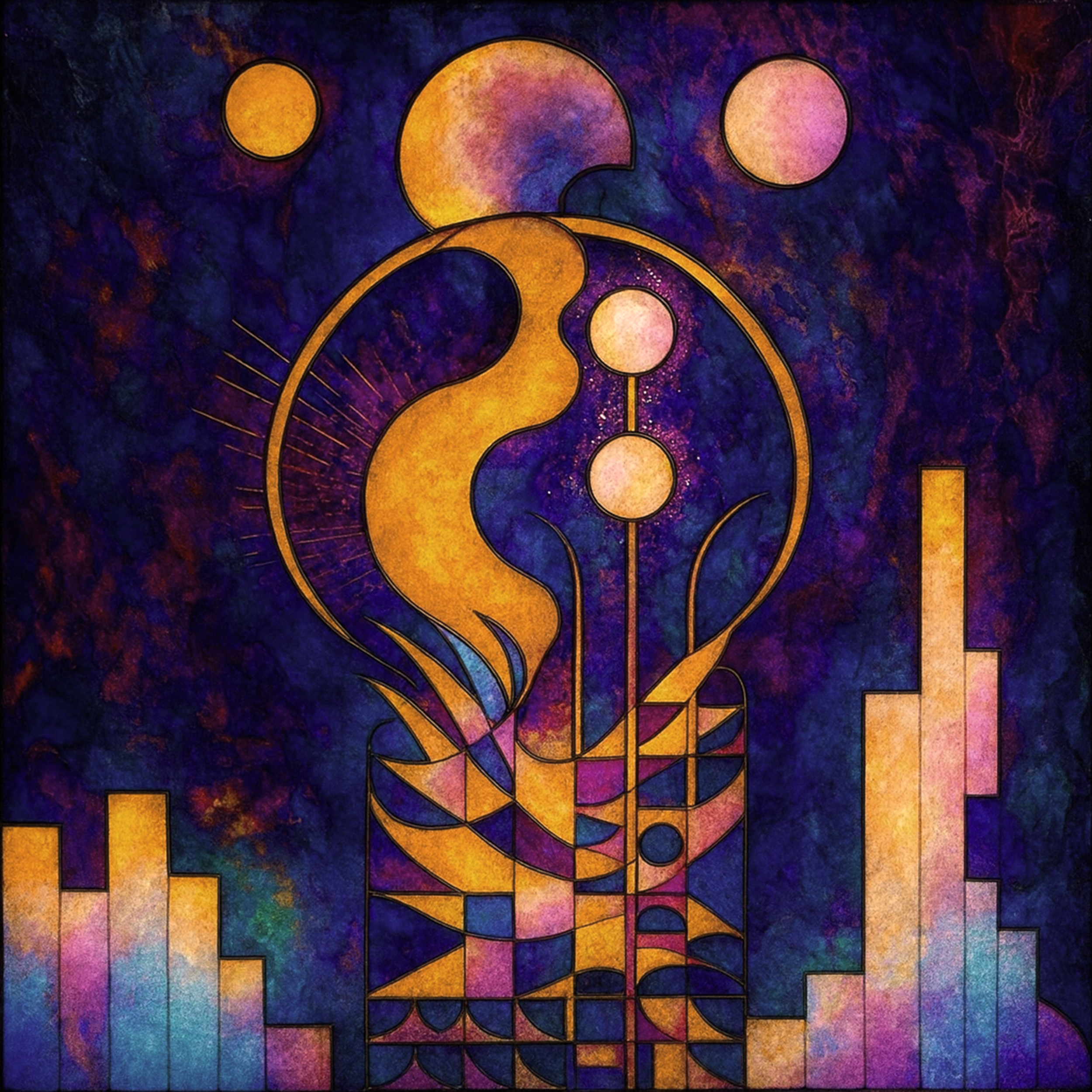
Primary Seed: "Polarity" aligns with the Shadow archetype, representing the contrast and conflict between opposing forces within the self. In this artwork, the intricate patterns of light and dark, spirals, and mirrored shapes embody the Shadow’s essence of polarity—a dance between conscious and unconscious, the known and the hidden, that defines inner conflict and self-acceptance.
In The Shadow, polarity is depicted through the juxtaposition of geometric patterns, with contrasting black and white areas that emphasize duality. The swirling spiral at the center of the image acts as a focal point, symbolizing the pull toward introspection and the process of confronting one’s inner depths. This spiral, drawing the viewer’s eye inward, reflects the journey into the unconscious mind where the Shadow resides, urging a reconciliation of opposing aspects.
The mirrored shapes on either side of the spiral suggest the presence of dual identities or conflicting aspects of the self that need integration. The checkerboard pattern, often associated with logic and control, appears fractured and uneven, symbolizing the disruption that the Shadow brings to the orderly mind. These patterns highlight the push-and-pull dynamic within the psyche, where light and dark elements clash yet coexist.
The curving, flowing forms on the right side evoke organic growth, contrasting with the rigid checkerboard on the left, underscoring the polarity between freedom and structure. This interplay of organic and structured forms captures the tension between conscious choices and unconscious drives, a central theme of the Shadow archetype.
In Jungian terms, polarity here represents the integration process, where acknowledging and embracing one's darker, hidden traits allows for a fuller, more authentic self. The Shadow’s role in revealing these contrasts helps illuminate unaddressed fears, desires, and repressed emotions that are essential for personal growth and wholeness.
Through these elements, The Shadow captures polarity as a core quality of the archetype, illustrating the necessary tension that arises when exploring the unknown within. This artwork demonstrates the Shadow’s role in self-discovery, embodying polarity as the transformative force that pushes one toward balance and self-acceptance by confronting and integrating the aspects of the self that are often hidden from view.
For Kayle
Description of The Shadow
The Shadow embodies the hidden and suppressed aspects of our psyche that we often avoid or deny. This archetype represents the unconscious fears, desires, and impulses that influence thoughts and actions from the depths of the mind. Confronting The Shadow is essential for understanding one’s true nature and achieving a more complete sense of self.
The Shadow is the embodiment of everything we hide from others and ourselves. It encompasses all the emotions, desires, and impulses that contradict our conscious identity and clash with societal norms. Often appearing as the darker side of personality, The Shadow holds repressed feelings like anger, jealousy, and fear, but also untapped potential for creativity and growth. This archetype compels us to face what we suppress or ignore, offering the opportunity to transform darkness into insight and fear into wisdom. If left unchecked, The Shadow can manifest in destructive behavior, projection onto others, or intense inner turmoil. Embracing The Shadow requires courage and a willingness to confront the uncomfortable truths about oneself.
Characteristics of The Shadow
Integration: The journey of reconciling all parts of oneself, accepting both light and dark aspects to achieve psychological wholeness.
Transformation: Harnessing the hidden energy of The Shadow to fuel personal growth, change, and self-discovery.
Self-Awareness: The conscious recognition of one’s hidden desires, fears, and impulses, fostering deeper understanding and control.
Challenges Faced by The Shadow
Projection: The unconscious act of attributing one’s own unacknowledged traits to others, resulting in misunderstanding and blame.
Repression: The tendency to bury uncomfortable aspects of the self, leading to denial and unresolved internal conflict.
Chaos: Allowing the dark elements of The Shadow to overtake the self, leading to destructive behavior and inner disarray.
Dreaming of The Shadow
Confronting Fears: Dreaming of The Shadow often suggests that the dreamer is grappling with repressed emotions or fears that need to be faced to achieve psychological growth.
Inner Turmoil: The Shadow in a dream may indicate internal conflict, revealing the tension between one’s conscious intentions and hidden impulses.
Self-Realization: Encountering The Shadow in dreams can also reflect the dreamer’s recognition of their untapped potential or buried talents, signaling a need to integrate these qualities into their conscious life.
Symbolic Imagery Associated with The Shadow
Darkness and Shadows: Represent the unexamined aspects of the psyche, where the unknown and feared elements of the self reside.
Labyrinthine Pathways: The imagery of intricate, winding paths signifies the journey of exploring the depths of the subconscious and the complex nature of self-discovery.
Mirrors and Reflections: Symbolize the act of self-examination, revealing hidden truths about one’s deepest fears and desires.
Cultural References Aligned with The Shadow
Year: ~3000 BCE
Title: Ancient Tradition
Source: Egyptian Mythology
Deity: Anubis
Quote: “I weigh your heart against the feather of truth.”
Explanation: Anubis symbolizes the Shadow by revealing hidden, inescapable truths about the soul during judgment.
Year: 1886 CE
Title: Beyond Good and Evil
Author: Friedrich Nietzsche
Quote: “He who fights with monsters should look to it that he himself does not become a monster.”
Explanation: Nietzsche warns of the danger in confronting the Shadow without self-awareness, reflecting the need for balance.
Year: 1886 CE
Title: Dr. Jekyll and Mr. Hyde
Author: Robert Louis Stevenson
Quote: “Man is not truly one, but truly two.”
Explanation: Mr. Hyde embodies the Shadow archetype, representing Dr. Jekyll’s suppressed desires and darker instincts.
