The Lighthouse
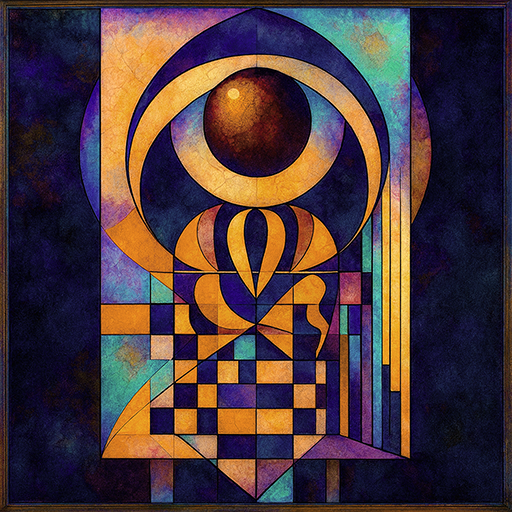
Primary Seed: "Attractor” captures the essence of the Lighthouse archetype as a stabilizing point toward which movement naturally organizes. In systems theory, an attractor describes a pattern or state that a system tends to return to over time. Symbolically, the Lighthouse functions as such a point: not directing movement directly, but shaping trajectories through persistent presence.
The Lighthouse does not intervene or pursue. It remains fixed while others orient themselves in relation to it. What defines it is consistency under fluctuation—a reliable reference that draws attention and alignment without requiring proximity.
For Kayle
Description of the Lighthouse
The emotional atmosphere of the lighthouse is steady and watchful. There is distance rather than intimacy, reassurance rather than comfort. Its presence is felt even when far away, offering relief through orientation rather than rescue.
To encounter a lighthouse is to recognize one’s position. It does not remove danger, but makes navigation possible. The experience can feel clarifying or sobering, as guidance arrives without promise of ease. Light appears intermittently, demanding patience and timing rather than immediacy.
Emotionally, the lighthouse is where orientation replaces confusion.
Symbolic Attributes of the Lighthouse
Orientation: Represents reference without instruction.
Stability: Indicates persistence amid external volatility.
Visibility: Reflects clarity that is available but distant.
Constancy: Marks reliability through repetition rather than intensity.
Detachment: Suggests guidance offered without participation.
Burden: Represents the weight of being a reference for others.
Aesthetic Values of the Lighthouse
Rotating Light:
Periodic illumination emphasizes rhythm, vigilance, and recurrence.Tall, Sturdy Structure:
Verticality and mass convey endurance and resistance to external force.Contrast of Light and Shadow:
Sharp differentiation reinforces the function of discernment rather than comfort.
Dream Indicators of the Lighthouse
Search for Direction: Indicates a need for orientation or reference.
Emotional Distance: Reflects separation paired with reassurance.
Role of Guidance: Suggests responsibility for others’ navigation.
Clarity Without Resolution: Points to understanding that does not remove difficulty.
Reliance on External Reference: Signals dependence on stable figures or ideals.
Cultural References Aligned with The Lighthouse
Year: ~5th century BCE
Title: “Agamemnon”
Author: Aeschylus
Quote: "From the heights of Mount Ida, the fire leaps, beacon to beacon, across the land."
Explanation: In Aeschylus's tragedy "Agamemnon," a series of beacon fires are lit from Troy to Argos to signal the fall of Troy. These fires act as guiding lights, conveying crucial information over vast distances. In Jungian psychology, the lighthouse symbolizes guidance, hope, and the illumination of consciousness emerging from darkness. The beacon fires represent the awakening of awareness and the transmission of knowledge, guiding individuals through the uncertainties of the unconscious toward enlightenment.
Year: 1925
Title: The Great Gatsby
Source: F. Scott Fitzgerald
Quote: "He stretched out his arms toward the dark water... and distinguished nothing except a single green light."
Explanation: The green light at the end of Daisy's dock serves as a symbolic beacon for Gatsby's hopes and dreams. It represents his longing and pursuit of an unattainable ideal. In Jungian psychology, the lighthouse—or in this case, the green light—symbolizes the guiding force of the anima, representing deep desires and the quest for self-fulfillment. The light guides Gatsby through his psychological journey, illuminating his aspirations and the unconscious motivations driving him.
Year: 1927 CE
Title: To the Lighthouse
Source: Virginia Woolf
Quote: "For now she need not think about anybody. She could be herself, by herself."
Explanation: In To the Lighthouse, the lighthouse represents the Jungian notion of the Self as a guiding principle of individuation. Its light serves as an unattainable goal for the characters, symbolizing their search for emotional clarity and the struggle to grasp their true selves.
