The Mask
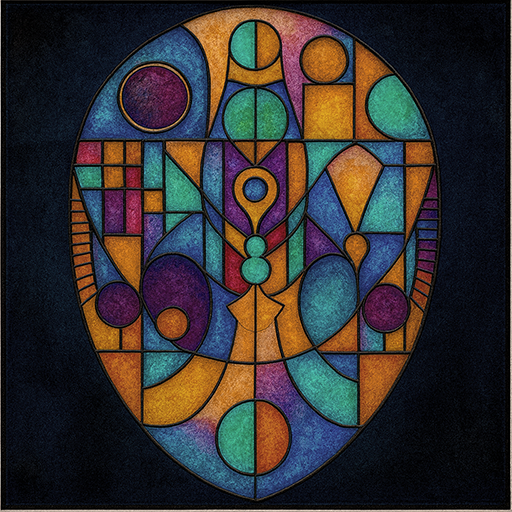
Primary Seed: "Interface" encapsulates the essence of the Mask archetype as a point of mediation between inner state and external presentation. In systems design, an interface enables interaction without collapsing boundaries between systems. Symbolically, the Mask performs the same function: it allows engagement while maintaining separation between private identity and public role.
The Mask is defined not by falsehood, but by translation. It renders the internal legible to the external world without exposing the entirety of the self. What matters here is function—how identity is expressed, filtered, and received.
For Kayle
Description of the Mask
The emotional atmosphere of the mask is controlled and attentive. Awareness shifts outward, monitoring response, tone, and reception. There is alertness rather than ease, presence rather than intimacy.
Wearing a mask can feel protective or constraining. It provides distance from vulnerability, yet requires sustained effort to maintain coherence. Over time, the boundary it creates may feel stabilizing or alienating, depending on how closely it aligns with inner experience.
Emotionally, the mask is where self-regulation replaces spontaneity.
Symbolic Attributes of the Mask
Mediation: Represents translation between internal experience and external expression.
Boundary: Marks separation that enables interaction without exposure.
Role-Adherence: Reflects alignment with situational expectations.
Protection: Indicates shielding of vulnerable or private aspects.
Discontinuity: Signals misalignment between inner state and outward presentation.
Dissociation: Represents distance from authentic experience through prolonged performance.
Aesthetic Values of the Mask
Contrast of Light and Shadow:
Differentiation emphasizes concealment, revelation, and selective visibility.Ornate vs. Simple Design:
Degree of decoration signals complexity or restraint in presentation.Material and Color:
Surface qualities convey tone, energy, and emotional accessibility.
Dream Indicators of the Mask
Identity Tension: Indicates strain between internal experience and outward role.
Social Vigilance: Reflects heightened awareness of perception or judgment.
Role Experimentation: Suggests testing alternative ways of presenting oneself.
Emotional Concealment: Points to suppression of feeling for safety or acceptance.
Desire for Alignment: Signals a need to reduce distance between self and expression.
Cultural References Aligned with The Mask
Year: 1886
Title: Beyond Good and Evil
Author: Friedrich Nietzsche
Quote: "Everything profound loves a mask."
Explanation: Nietzsche explores the concept of the mask as a means of concealing one's true thoughts and feelings. The mask allows individuals to navigate societal expectations while hiding their authentic selves. In Jungian psychology, over-identification with the persona can hinder self-realization. Nietzsche's idea resonates with the Jungian concept that embracing and understanding our hidden depths—the shadow—is essential for achieving authenticity and personal growth.
Year: 1890
Title: The Picture of Dorian Gray
Author: Oscar Wilde's Novel
Quote: "If it were I who was to be always young, and the picture that was to grow old!"
Explanation: Dorian Gray maintains a youthful and charming exterior while his portrait reveals his corrupted soul. The mask symbolizes the façade he presents to society, hiding his true nature and moral decay. In Jungian terms, the mask represents the persona, and the hidden portrait symbolizes the shadow. The novel illustrates the consequences of denying and repressing one's inner self, emphasizing the need to integrate all aspects of the psyche to achieve wholeness and avoid self-destruction.
Year: 1842
Title: "The Masque of the Red Death"
Author: Edgar Allan Poe
Quote: "And now was acknowledged the presence of the Red Death. He had come like a thief in the night."
Explanation: In this story, Prince Prospero and his guests lock themselves in an abbey to avoid a deadly plague, holding a masquerade ball to distract themselves. The masks represent denial and the illusion of safety. The uninvited guest, masked as the Red Death, symbolizes the inescapable nature of mortality. In Jungian psychology, the mask signifies avoidance of confronting the shadow self—fears, guilt, and the inevitability of death. The tale underscores the futility of hiding behind masks to escape fundamental truths about human existence.
