The Mirror
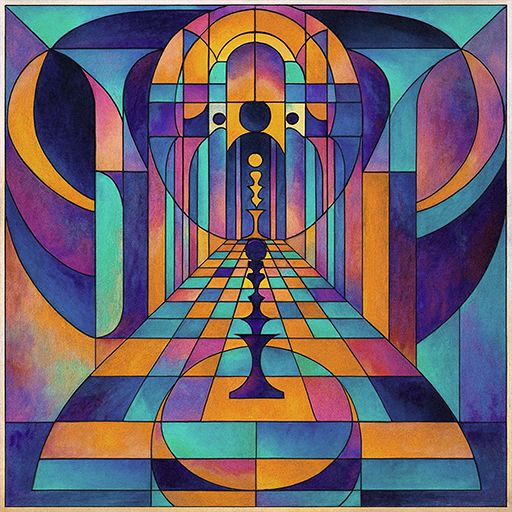
Primary Seed: "Reflection” perfectly encapsulates the Mirror archetype, symbolizing the process of seeing oneself, understanding duality, and discovering inner truths. In both physics and philosophy, reflection suggests both literal and metaphorical mirroring—how an object or idea is echoed back to reveal clarity. The Mirror archetype invites introspection and a journey to view oneself with honesty and depth. Symbolically, the Mirror presents the self as it is encountered, not as it is intended.
The Mirror does not interpret. It reveals alignment or distortion through immediacy.
For Kayle
Description of The Mirror
The emotional atmosphere of the Mirror is exposed and quiet. Attention turns inward, often abruptly. There is little distraction—only recognition.
This encounter may feel clarifying or unsettling. Familiar aspects appear sharper; overlooked elements surface without commentary. The Mirror produces stillness that demands acknowledgment rather than response.
What emerges is awareness without cushioning.
Symbolic Attributes of The Mirror
Self-Recognition: Awareness of one’s current state.
Reversal: Encountering the self from an opposing orientation.
Clarity: Absence of narrative or mediation.
Distortion: Misalignment between perception and reality.
Exposure: Removal of protective framing.
Integration: Capacity to hold what is seen without rejection.
Aesthetic Values of The Mirror
Frame Design:
Boundary conditions that shape how reflection is encountered.Reflective Surface:
Degree of clarity, smoothness, or interruption.Shattered Surface:
Fragmentation of image and coherence.Transparency:
Minimal interference between subject and return.
Dream Indicators of The Mirror
Identity Appraisal: Reassessment of self-image.
Perceptual Tension: Discomfort with what is seen.
Alignment Check: Comparing internal sense with external appearance.
Fragmentation: Experiencing the self in parts rather than whole.
Readiness for Change: Recognition preceding transformation.
Cultural References Aligned with The Mirror
Year: ~5th century BCE
Title: Metamorphoses, “The Mirror of Narcissus”
Author: Ovid
Quote: Entranced by his own reflection in the water, Narcissus fell in love with his image, unable to look away."
Explanation: Narcissus's encounter with his reflection symbolizes self-absorption and the dangers of failing to look beyond one's surface image. In Jungian psychology, the mirror represents self-reflection, but also the trap of identifying too strongly with the persona, or outward self-image. Narcissus's fate highlights the need to confront one's deeper self, beyond surface appearances, to avoid the pitfalls of ego inflation and alienation from the true self.
Year: ~8th century CE
Title: The Mirror of Yata
Source: Japanese Mythology (Shinto Tradition)
Quote: "The mirror was placed outside the cave where Amaterasu hid, reflecting light back to her and luring her out."
Explanation: In Shinto mythology, the goddess Amaterasu retreats into a cave, bringing darkness to the world. The gods use the Mirror of Yata to reflect her image, coaxing her back out. The mirror symbolizes self-recognition and the return to one’s true nature. In Jungian terms, the mirror represents the process of self-reflection needed to integrate the unconscious and bring light, or consciousness, to shadowed aspects of the psyche, fostering individuation.
Year: 1871
Title: Through the Looking-Glass, and What Alice Found There
Source: Lewis Carroll
Quote: "Alice stepped through the looking-glass and found herself in a curious world where everything was reversed."
Explanation: Alice's journey through the mirror leads her into a world that operates on paradoxical logic. The mirror symbolizes the threshold between reality and the unconscious mind. In Jungian psychology, it represents self-exploration and the confrontation with aspects of the self that are usually hidden or inverted. Alice's adventures challenge her understanding of herself and her world, reflecting the transformative process of integrating the unconscious into conscious awareness.
